
RV Refrigerator Operation & Battery Tips
RV absorption refrigerators are fundamentally different from household residential refrigerators. They do not use compressors; instead, they operate on heat-driven chemical absorption (using ammonia, water, and hydrogen gas). Because they cool down much slower than residential units, turn the RV refrigerator on several hours before loading food into it. Leaving it running overnight before a trip and loading pre-chilled food just prior to departure produces the best results.
Always keep a small dedicated thermometer inside the compartment to monitor internal cooling. Food spoilage hazards increase rapidly at temperatures above 40°F (4°C).
High Humidity Switch on Dometic Refrigerators
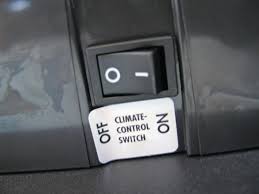
When investigating unexplained house battery drain, this switch is often the culprit. Left on while boondocking, it can deplete a standard deep-cycle battery in short order. If your 12V system drains unexpectedly, double-check this switch!