
120 VAC power
Shore Power
Shore power is the electricity provided to the RV when the electrical cord is plugged into the campground electrical supply box.
The RV electrical cord connects directly to the circuit breaker panel and is controlled by the main circuit breaker. The electrical power is distributed from the breaker panel to all the various power outlets in the RV, through one or more circuits. Each of these circuits is protected by a circuit breaker of its own.
RV campground electrical supply outlets must be wired to code when installed to pass inspection. In a lot of parks, that was 20 or 30 years ago! As the receptacles wear out or break, the maintenance crew or owner replaces them as needed. Whether they wire them back the way they were or not depends on the competence or knowledge of the technician!
Polarity is important!
120 VAC Circuit Polarity Tester
You can purchase a circuit polarity tester for under ten dollars. This handy device plugs directly into an electrical outlet and features three indicator lights to instantly identify if there is an electrical problem and pinpoint its exact location.
Everyone should own one of these to test every campground shore power outlet before plugging their RV into the power source. Incorrectly wired outlets can be extremely hazardous! If the tester indicates a problem, do not plug your RV into that source—instead, ask management for a different site or move to another RV park.
Voltage Problems & Modern Safeguards
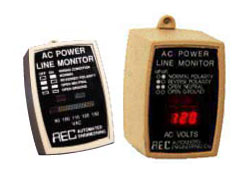
The electrical demands of modern RVs far exceed what many campgrounds were designed to handle decades ago. As parks fill up and air conditioners run simultaneously during hot weather, line voltage can drop significantly. If voltage dips below approximately 108 VAC, sensitive electronics, microwave controls, and RV air conditioner compressor motors can suffer permanent damage. Conversely, park transformers turned up to counteract peak drops can spike voltage too high when occupancy is low, equally endangering your equipment.
To combat this, basic plug-in voltmeters help monitor line conditions visually, but serious RVers rely on an Electrical Management System (EMS) or portable surge protector with built-in low-voltage cutoff. An EMS automatically shuts off power if voltage drops to dangerous levels, protecting your rig from miswired pedestals, open neutrals, and power spikes. If you frequently encounter chronic low voltage in older parks, a dedicated voltage booster (autoformer) can safely step up incoming power.
Ground Fault Circuit Interrupter or GFCI
A GFCI is typically found in the bathroom, near the kitchen sink, and at exterior utility bays. It is a vital safety device designed to prevent electrical shock when appliances are used near water. A GFCI monitors current flow and trips instantly upon sensing an imbalance as small as 4 to 5 milliamps in less than 1/30th of a second.
The primary GFCI in your RV often protects several standard outlets "downline." If multiple outlets suddenly stop working, check your main circuit breakers and test your GFCI locations first. To reset a tripped GFCI, firmly press the Test button followed by the Reset button. If it trips repeatedly, you have a ground fault or moisture issue in the circuit; do not use the outlet until the problem is professionally diagnosed and corrected.
Circuit Breakers
The 120 Volt AC circuits in the RV are protected by circuit breakers. These are the same as circuit breakers used in your home electrical system. If a short circuit happens or an overload occurs on the circuit, the circuit breaker will trip and interrupt the current flow. As with any mechanical device, circuit breakers can wear out. If you have a circuit that constantly trips, measure the current flow with an ammeter to find the actual current flow. If the breaker trips at an amperage below its rated value, it is defective and should be replaced.
Generators
Generators are engine-driven devices that provide 120 VAC power when a connection to a shore power source is not available. Repair of the generator is beyond the scope of this article.
Inverters
Inverters are used when boondocking to provide a limited supply of 120 volt AC power. They take the electrical energy developed through chemical reactions in the battery bank and convert it to usable 120 volt AC current. The amount of current is limited by the battery storage capacity.